
Talented people don’t usually leave a firm because of the work. They leave because of how they were led, whether they felt seen, and whether anyone bothered to ask what they actually wanted out of their career.
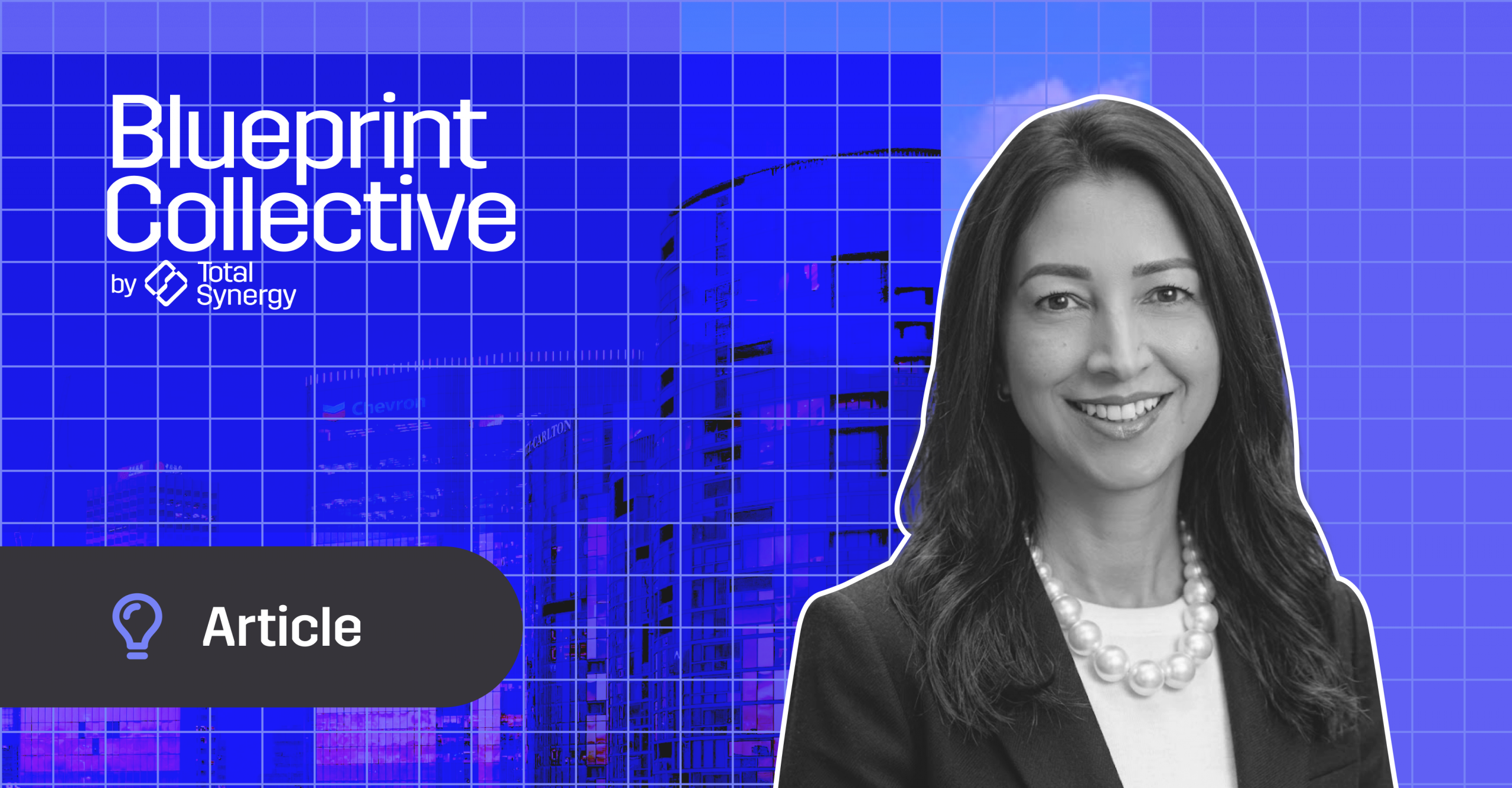
In a recent episode of The Blueprint Collective, Samantha Chestney, Founder and Principal of VeuvHR and Chief People Officer at Pollination, unpacks what it takes to retain talent in architecture and engineering, and what leaders need to be doing more of.
For A&E practices managing the most generationally diverse workforce in history, getting the people side of the business right has never been more complex, or more important.
The One Size Fits None Workplace
For the first time in history, A&E firms are managing up to six generations in the same workplace, ranging all the way from the “Silent Generation” born between 1928 and 1945, often serving in advisory or board roles, up to Generation Alpha with summer jobs or work experience.
Samantha has seen each cohort bring different expectations around feedback frequency, flexible working, career progression and what a good leader is.
This can look like an “old school” mentality of being grateful for a job and quietly working toward a promotion in three years, compared to younger generations who want timely feedback, perks, flexible working and fast career progression.
Combine this with an increasingly competitive environment and workplaces becoming more technologically advanced, and that gap between generations isn’t going away. And firms that try to apply a single approach to all of them will keep losing people they didn’t need to lose.
“In a very diverse workforce, it’s a one size fits none approach. And being able to accommodate and really understand how we create a unique and personalised experience for every single person that walks into that door is challenging.” – Samantha Chestney
What Do Your People Actually Want From Their Career?
The personalised employee experience isn’t a nice-to-have. It’s a retention strategy. And it starts with something simpler than most firms expect: asking more questions, especially around career development.
For firm leaders, Samantha recommends asking junior staff:
- What are your passions?
- What are your aspirations?
- Where do you want to be?
For younger and mid-career staff especially, career development in A&E has become less about title and more about experience. A team member may want to gain new experience across a range of projects, clients or sectors before moving up; or they may favour work-life balance over a position that comes with a higher amount of stress.
“We often make assumptions that people want to get to the top as quick as they can. That’s not the case. We need to ask more questions and listen very actively before we go about promoting.” – Samantha Chestney
This is useful framing for firm leaders trying to retain staff without being able to offer a promotion. Lateral development, secondments, cross-sector exposure and industry involvement all have value, particularly with mid-level practitioners who are building their portfolio of experience rather than their management CV.
The same thinking applies to how firms approach AI and junior development. As AI takes over more of the routine “grunt” work that has traditionally been reserved for junior staff learning the ropes, a more lateral landscape replaces that learning pathway.
“AI is here to stay. So, it’s understanding where junior staff’s other capability skill set is and allowing room for investment in their development and growth so that we can take them on a different pathway, introduce them to new ways of thinking, new ways of working. It’s our job as leaders to foster care and nurture people in those more junior levels.” – Samantha Chestney
The Most Underrated Retention Tool For A&E Leaders
Across all generations, Samantha keeps returning to one factor that gets consistently underestimated: simple, genuine human connection.
Asking your team how their weekend was, what they’ve got on their plate this week, or what you can help with, can make a world of difference.
In busy A&E practices where everyone is billing against project hours, these moments can feel unnecessary; yet are the foundation of a good culture that retains staff. Understanding what motivates each person, playing to their strengths and giving them visibility of where the firm is heading are all things that happen through conversation, not policy.
As the future of work shifts and technology plays a larger role in how teams operate and show up, Samantha believes the leaders who thrive will be those who invest in the four quadrants of intelligence: emotional, social, adversity and intellectual.
“Having the balance of those four quadrants is key to be able to lead people, be visionary, be articulate, have exceptional communication and interpersonal skills, relate to people and truly understand what it is that they want out of their role and what motivates and excites them.” – Samantha Chestney
In practice, this means having the emotional awareness to read a room, the social intelligence to connect across generations, the resilience to lead through pressure without passing it down, and the intellectual curiosity to keep learning alongside your team.
One-to-ones, walk-and-talks, development reviews and informal check-ins all serve this purpose. The format matters less than the consistency.
“A little bit lost is the art of communication and really engaging with people. Active listening is really, really important.” – Samantha Chestney
The future of A&E practice will be shaped as much by how firms lead their people as by the quality of their project work. Firms that invest in genuine human connection, ask better questions and develop leaders with the emotional and social intelligence to meet people where they are will be the ones that hold onto their best people. That’s not a people strategy, it’s a competitive advantage.
About The Blueprint Collective
Hosted by Scott Bampton, Product Marketing Manager at Total Synergy and former Operations Lead within national architecture firms, The Blueprint Collective is a curated podcast featuring candid Q&A-style conversations with architects, engineers, and creative leaders redefining how we design, deliver, and lead.
Filmed online, the series cuts through industry polish to focus on what matters: the ideas and people driving progress. Want to join us on the podcast? Register your interest here.
About Total Synergy (Australia)
Total Synergy is an Australian software company based in North Sydney, NSW, helping architecture and engineering practices across Australia improve project visibility, resourcing, and profitability with project management and practice management software.