
Burnout in architecture and engineering isn’t a new problem. Most have lived it, and a significant number have quietly watched talented colleagues walk out the door because of it.
But burnout in A&E doesn’t start with deadlines or difficult clients. It starts with the culture being modelled at the top.
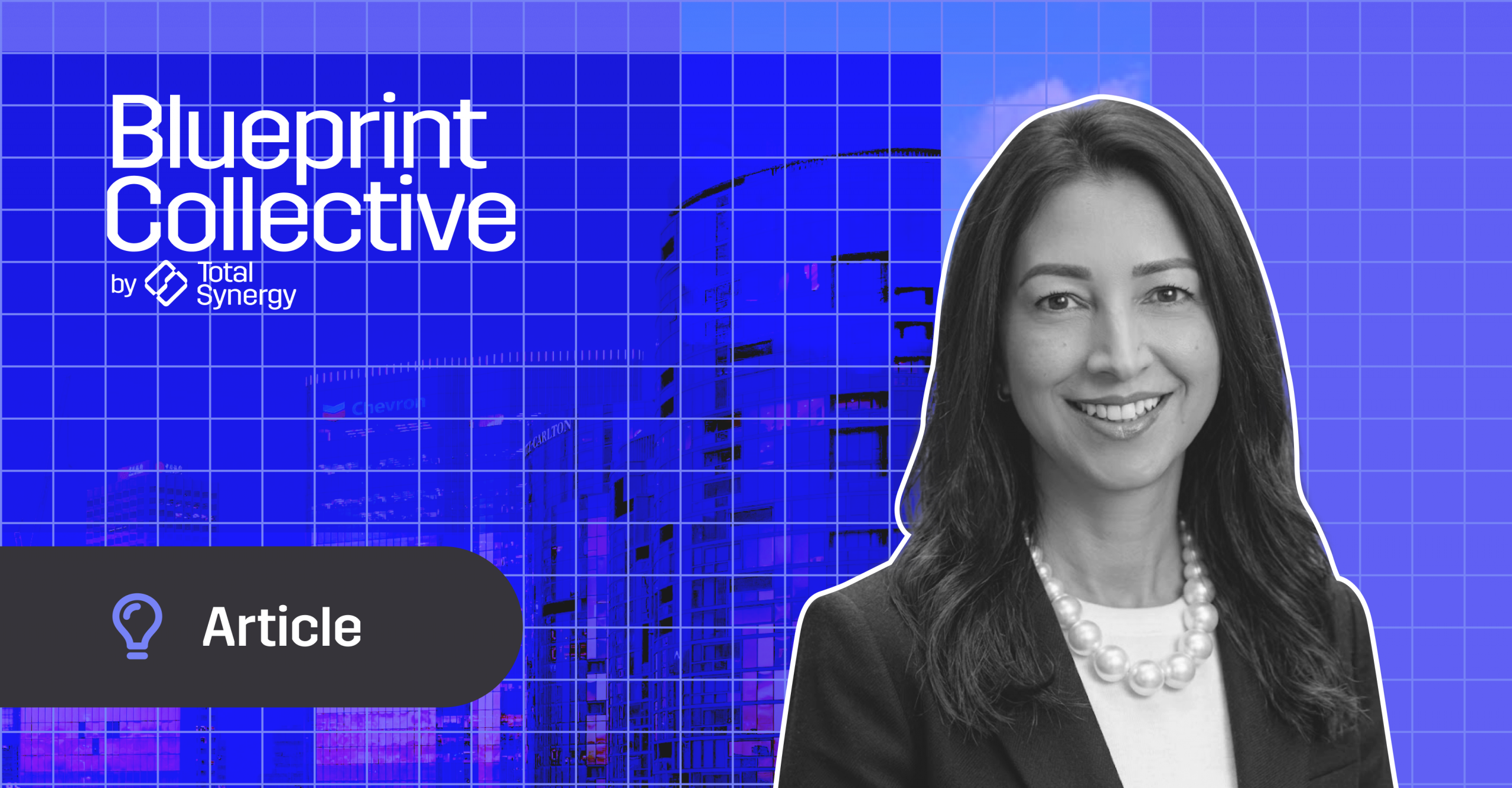
In a recent episode of The Blueprint Collective, Samantha Chestney, Founder and Principal of VeuvHR and Chief People Officer at Pollination, explores the normalisation of burnout in the architecture and engineering industry and shares what firms need to do differently.
“Burnout has definitely been normalised and there’s a stereotype, if you work in A&E, you know you’re going to be doing long hours.” – Samantha Chestney
Samantha’s view is that burnout in A&E isn’t just a workload problem, it’s a leadership problem. Here’s what that looks like, and what genuinely disciplined practices do differently.
The Hero Culture Problem in A&E
There’s a common story in A&E about dedication. Pulling the all-nighter before a deadline, staying back to perfect the documentation or being the last one in the office.
In many practices, this behaviour doesn’t just go unaddressed. It gets rewarded.
Samantha calls this hero culture: the perceived “industry norm” that working 70 hours a week or working all night is going to result in a promotion or a faster career trajectory.
“There’s no guarantee in any of that. But other people will do that hero behaviour because they need the badge of honour.” – Samantha Chestney
The problem is that hero culture is contagious. When leaders role-model chronic overwork, teams follow. When staying late is framed as commitment and leaving on time feels like a lack of dedication, the entire firm adjusts to an unsustainable standard.
“I have seen that hero culture be quite contagious amongst teams. It’s the leaders role modelling that will differentiate between which team remains back and who leaves on time.” – Samantha Chestney
This matters more than most firms acknowledge. When capacity planning is reactive rather than proactive, overwork becomes structural, not incidental. Proactive resource allocation gives leaders the visibility to redistribute workloads before a team member hits a wall.
The Accountability Gap in A&E Leadership
The responsibility for this overwork, and eventual burnout, lies with leaders in A&E firms.
Samantha has seen leaders frame failures around project planning and resource allocation as an issue with the dedication of their team, and often still observes a clock watching culture in firms, where hours in the office become a proxy for performance.
“We need to hold leaders accountable for chronic overwork within their teams. We need to challenge them on how they’re leading, how they’re managing in terms of proactive planning, time management, client management, client expectations.” – Samantha Chestney
Leaders also need to be more proactive in advocating for their staff’s wellbeing, as well as role modelling best practice. For instance, if a team member is consistently working overtime, and a leader is walking out the door to go home, that gap is one that eventually leads to turnover.
What Genuinely Disciplined Practices Do Differently
The practices that manage this well tend to share a few characteristics.
They scope work clearly, track time accurately and have visibility into where hours are actually going before a project goes off the rails. They also keep a close eye on project finances in real time, so budget blowouts surface early rather than at the end of a phase. They build in deliberate space for what Samantha calls the 80/20 rule: 80% focused on client delivery, 20% on self-development, networking and staying on top of current trends.
They also create cultures where it’s safe to flag a problem early. In the current market, psychological safety is no longer just an HR issue.
“Psychological safety can present significant risk. If a team member is too afraid of speaking up to flag a design flaw or a budget blowout or a safety concern, the entire business ends up being exposed, or the impact then hits other team members, which then impacts productivity. It’s a vicious cycle.” – Samantha Chestney
Awareness Is Growing But Accountability Has to Follow
A&E firms are becoming more aware of the toll the industry takes on people, not just mentally, but physically and psychologically too, and Samantha is cautiously optimistic about burnout and psychological safety moving forward.
More firms now have employee assistance programmes in place, and wellbeing is on the agenda at more leadership meetings and toolbox talks. And the industry is having conversations about mental health and burnout that it wasn’t having five years ago.
“People are becoming better about the realistic proposition that burnout and mental fatigue does exist, and they’re talking about it more openly than they’ve ever done before. There are fewer repercussions for being able to speak up as well now.” – Samantha Chestney
But awareness without accountability only goes so far. The firms making real progress are the ones holding leaders responsible for the culture they create, not just the projects they deliver.
Burnout in A&E will keep happening as long as hero culture gets rewarded at the top. The good news is that it starts and ends with leadership, which means it’s something firms have the power to change.
About The Blueprint Collective
Hosted by Scott Bampton, Product Marketing Manager at Total Synergy and former Operations Lead within national architecture firms, The Blueprint Collective is a curated podcast featuring candid Q&A-style conversations with architects, engineers, and creative leaders redefining how we design, deliver, and lead.
Filmed online, the series cuts through industry polish to focus on what matters: the ideas and people driving progress. Want to join us on the podcast? Register your interest here.
About Total Synergy (Australia)
Total Synergy is an Australian software company based in North Sydney, NSW, helping architecture and engineering practices across Australia improve project visibility, resourcing, and profitability with project management and practice management software.