
Creating accurate project budgets and quotes is one of the most important financial practices for architecture and engineering firms.
Having correct budgets determines whether projects remain profitable, whether teams stay within scope, and whether leadership can confidently forecast revenue.
Yet many A&E firms still rely on spreadsheets, disconnected tools, or manual processes to build budgets and proposals. But over time, those workarounds create gaps between quoting, delivery, and invoicing. When estimates don’t reflect the true effort required, firms often absorb additional work through unpaid hours, slowly eroding margins.
Beyond standardising workflows and successfully rolling out new software, accurate budgeting plays a critical role in protecting project margins. With the right tools in place, firms can quote with confidence and avoid the hidden costs that quietly erode profitability.
Why Accurate Budgeting and Quoting Matter
Every A&E project begins with an estimate of time, resources, and costs. When that estimate is inaccurate, problems follow throughout the project lifecycle.
Accurate budgeting provides several advantages:
- Clear expectations between firms and clients
- Improved project profitability tracking
- Better resource planning across teams
- More predictable cash flow and invoicing
However, projects rarely follow simple timelines. A single project might involve concept design, technical documentation, consultant coordination, site visits, and construction administration. Each stage requires different staff, skills, and resources.
If those elements are not captured in the initial quote, the financial impact can follow the project from start to finish.
The financial impact of inaccurate estimates is significant. According to the 2025 Architecture & Engineering Industry Benchmark Report, more than half of firms said that at least one in four projects exceeds budget.
For leadership teams, the goal isn’t simply to produce better quotes. It’s to ensure that budgeting connects directly with project management, time tracking, and financial reporting.
Common Budgeting Mistakes A&E Firms Make
Most budgeting problems don’t start with poor financial judgement. They begin with fragmented processes and tools that make it difficult to track projects clearly.
Here are some of the most common issues.
Underestimating project complexity
Architecture and engineering projects often evolve after the initial proposal. As a result, early proposals may overlook design revisions, consultant coordination, or extended client feedback cycles. As projects progress, those additional hours quietly erode profitability.
Disconnected systems
Many firms prepare quotes in spreadsheets while tracking time and expenses in separate platforms. This fragmentation creates multiple versions of the truth, making it tricky for firms to compare estimated versus actual performance.
Inconsistent project structures
Without standardised templates, project managers often build budgets differently from one project to the next. Leadership then struggles to benchmark projects or identify patterns in project performance.
Individually, these issues may appear manageable. Combined, they create uncertainty around project financials and make it harder for firms to intervene when budgets start drifting off course.
How Accounting Software for A&E Firms Solves These Challenges
Purpose-built accounting software for A&E firms solves many of these problems by
connecting budgeting directly with project delivery, time tracking, and financial reporting.
Instead of relying on spreadsheets, firms manage budgets, timesheets, costs, and invoices within a single platform. When project data flows through one system, financial information becomes easier to track and analyse.
For project managers, this means gaining a clearer picture of how projects are performing in real time. As staff log time and expenses, project financials update automatically. If work begins to exceed the original estimate, leaders can adjust resources or address scope changes early.
Finance teams benefit from cleaner, more reliable reporting. With budgeting, time tracking, and invoicing connected, reports no longer depend on manual reconciliation across multiple tools.
Leadership also gains stronger oversight across the entire practice. Instead of waiting for month-end reports, dashboards provide ongoing insight into project margins, workload, and profitability.
This is where project management software for architects and engineers plays a critical role. Platforms that are built around the stage-based structure of A&E projects mean that financial processes are aligned with how firms actually operate.
4 Key Software Features for Managing Budgets, Quotes, and Everything in Between
The best budgeting systems for architecture and engineering firms combine financial management with project planning and client communication.
Here are four key capabilities to look for.
Intuitive Budgeting Screens
Budgeting should be clear and structured, not buried inside complex spreadsheets.
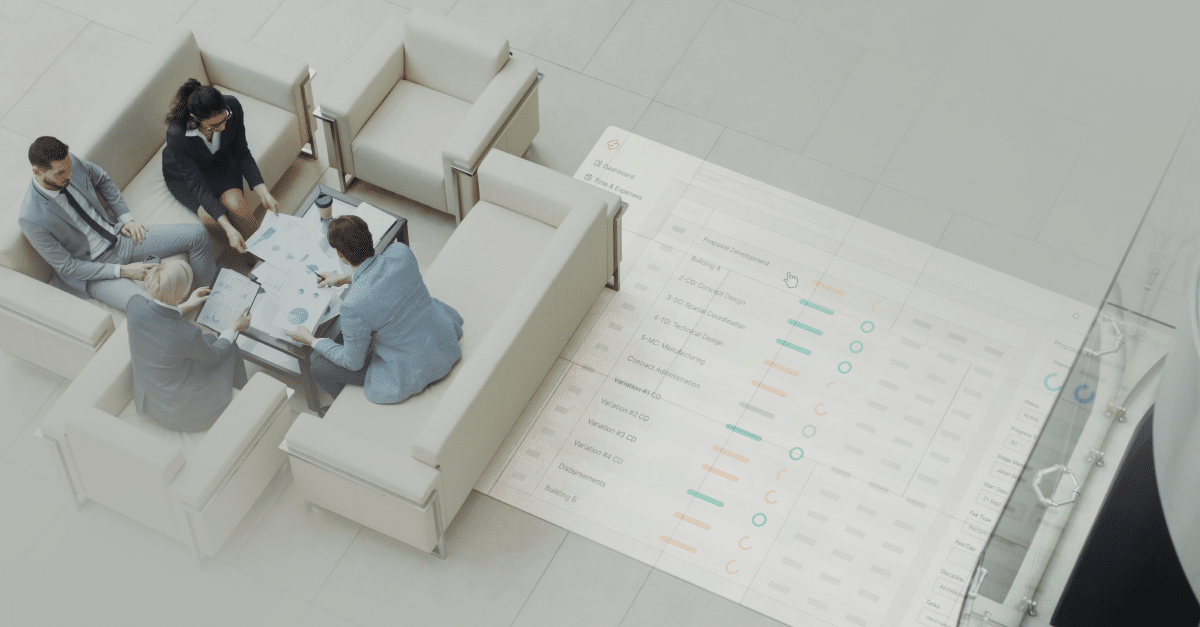
Total Synergy features intuitive budgeting interfaces that allow project managers to allocate costs across project phases, contractor payments, consultant fees, and expenses.
This makes it easier to track financial performance throughout the project lifecycle while keeping budgets aligned with real delivery requirements.
Pre-Built Project Templates
Many architecture and engineering firms deliver similar project types repeatedly; and creating budgets from scratch wastes valuable time.
The pre-built project templates in Total Synergy allow you to standardise your project structures and fee breakdowns. Templates can include predefined stages, tasks, and resource allocations, ensuring every project starts from a proven framework.
Integrated Budgeting Tools
When budgeting tools connect directly with time tracking and financial reporting, firms gain far greater clarity around project performance.
Integrated budgeting within Total Synergy ensures that staff hours, consultant costs, and expenses update project budgets automatically. Project managers can instantly see whether actual work aligns with the original estimate.
This real-time insight allows you to adjust resources or address scope changes; before they impact profitability.
Professional Proposal Formats
Client-facing proposals should be clear, professional, and consistent across the firm.
Instead of manually formatting quotes, Total Synergy lets you generate polished proposal documents directly from the project budget. This saves time while ensuring that scope, pricing, and deliverables remain aligned.
Transform Your A&E Firm’s Financial Performance with Total Synergy
Accurate budgeting and quoting shouldn’t depend on spreadsheets or disconnected tools. When financial data lives across multiple tools, project clarity quickly disappears and margins suffer.
Made in Australia, Total Synergy simplifies how architecture and engineering firms manage budgets, quotes, projects, and finances within a single platform. The system connects budgeting, project management, time tracking, invoicing, and reporting so teams operate from a single source of truth.
With Total Synergy, teams can:
- Create accurate budgets that account for staff costs, consultants, and expenses
- Generate professional proposals directly from project budgets
- Track project performance in real time
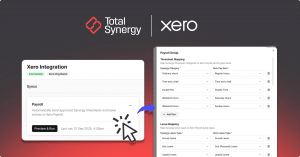
- Connect project budgets with accounting systems like Xero and MYOB
The result is clearer financial oversight, faster invoicing, and stronger project profitability.
To see how Total Synergy helps over 18,000 users worldwide create accurate budgets, manage projects more effectively, and build stronger financial performance, book a demo today.