


Great design is the result of a collaborative, trust-filled relationship between architects and their clients. But let’s be honest—navigating client expectations, budgets, and evolving visions can feel like a high-wire act.
So how do architects walk that line successfully? Louise Ducey, Associate, and Charlotte Corbishley, Architect & Business Development Coordinator at Matthew Allchurch Architects (MAA), pull back the curtain on how they keep projects on track while balancing creativity, client expectations, and those inevitable “we changed our mind” moments.
Their secret? Clear communication, smart processes, and guiding clients toward the best possible outcomes.
Here’s more detail from them.
Laying the Groundwork with Clear Communication
Ever played a game of telephone? A small misunderstanding can snowball into a completely different message by the end. That’s exactly what can happen if architects and clients don’t get aligned from the start.
What steps do you take at the beginning of a project to ensure a smooth and successful process?
Charlotte: One of the key steps we take is hosting roundtable discussions with the client. At the start of a project, we sit down with them to discuss their vision and look at foundational elements—whether they have a site, a budget, or a team in mind. If we notice a misalignment—perhaps their vision doesn’t match the site constraints, their budget, or planning requirements—we flag it early.
For example, if they plan to fit more units on a site than realistically possible or if their design is likely to face planning challenges, we address those concerns upfront. This helps clients adjust expectations early so we can move forward smoothly.
What tools or strategies help you ensure that client expectations remain clear throughout the project?
Louise: Internally, we have started implementing ‘Project Passports’—a structured document that summarises key project information, goals, and client preferences. It acts as a reference point for the entire team, ensuring that important details don’t get lost during handovers and that everyone, from directors to junior team members, stays aligned.
We’re still developing them, but they take the shape of a table-format Word document, making it easy to organise and reference key details. While senior team members typically handle client conversations, this tool ensures that critical information is accessible to everyone.

What to Do When Plans Suddenly Change
Three months into a project, a client has a sudden revelation—they want a bigger space, a different layout, or a totally new aesthetic. The problem? Their budget hasn’t changed.
Instead of letting these changes derail the process, seasoned architects know how to steer conversations toward practical solutions.
What happens when a client’s vision evolves but their budget does not?
Louise: If a client wants to make changes, we’ll walk them through the financial reality. Sometimes adjustments are possible, but if the new vision doesn’t align with the budget, we discuss what we could modify to stay within financial constraints. We also document initial agreements, so when preferences shift—as they often do—we can reference what was originally decided to help manage expectations.
Charlotte: This might mean reducing the size of the project, rethinking materials, or shifting the target market to fit within budget constraints. For example, if a client wants high-end finishes but doesn’t have the budget, we explore alternative materials that maintain the design intent without exceeding costs.
Timing also plays a big role—if changes happen early on, it can be easier to handle, but if they come later in the process, we may need to revise the project scope or budget. In those cases, we talk through the options—whether securing extra funding or making design trade-offs—to ensure the best outcome for the client.
How do you handle situations where a client’s preferences conflict with technical or regulatory constraints?
Charlotte: Communication is key! Talking through any conflict areas and finding and agreeing upon a balance between vision and practical considerations is essential to the way we work as a practice.
Louise: Another way we manage this is to ensure that the right specialists are appointed and utilised on each project, making sure our clients have all the information to make the most informed decisions for their scheme. From the get-go, we work with the full client and consultant team to ensure everyone is on the same page.
Advice for Lasting Success
Long-term client relationships don’t happen by accident—they’re built on trust, transparency, and a seamless experience. When clients enjoy the process, they’ll come back for more (and hopefully bring referrals).
What advice would you give to newer architects just entering the industry?
Charlotte: I’d emphasise that architecture is a team sport. Even if you’re a sole practitioner, you rely on engineers, consultants, and planners. Building a strong network is essential.
Louise: Be adaptable. Clients, projects, and constraints will change, but if you maintain good relationships and communicate well, you’ll be successful.
What makes for a truly successful architect-client relationship?
Charlotte: At MAA, we strive to create positive, professional, and long-lasting relationships with every client. A lot of our business comes from repeat clients, which speaks to the strength of our partnerships.
Louise: Communication and trust are at the heart of everything we do. A successful client-architect relationship is built on clear communication, mutual respect, and trust. When both parties understand the process and expectations, it leads to better outcomes and a more enjoyable experience for everyone involved.
Final Thoughts
Balancing client expectations with real design goals takes communication, trust, and a solid plan. When architects keep things clear and open, projects flow more smoothly, and relationships thrive.
Flexibility is key—things will change, and strategies like roundtable discussions and project passports help keep everyone on the same page. In the end, great architecture isn’t just about the design; it’s about building strong partnerships that lead to better projects.
About Matthew Allchurch Architects
Founded in 2000, Matthew Allchurch Architects (MAA) has grown from Matt’s kitchen table to the riverside Boathouse Design Studio on the Thames at Teddington Lock. Over the years, the practice has expanded across multiple sectors, building long-term relationships with clients and consultants, some with projects numbering in the hundreds.
MAA embraces the collaborative nature of architecture, whether it’s coffee at the Boathouse, riverside yoga, sketch club, pub catch-ups, or site tours. People are at the centre of MAA’s ethos. The firm fosters a diverse, inclusive, and nurturing environment, holding an Investors in People Gold status.
Inside MAA’s Portfolio: Highlighted Projects
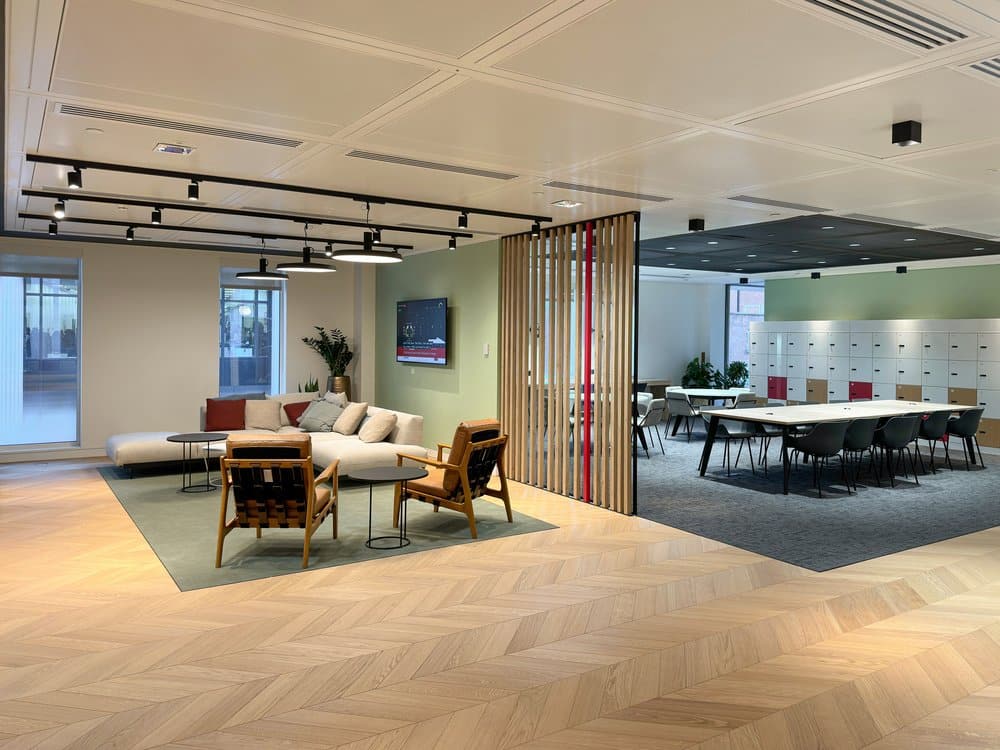
Basildon
Learn more about the project here.

Harewood Avenue
Learn more about the project here.
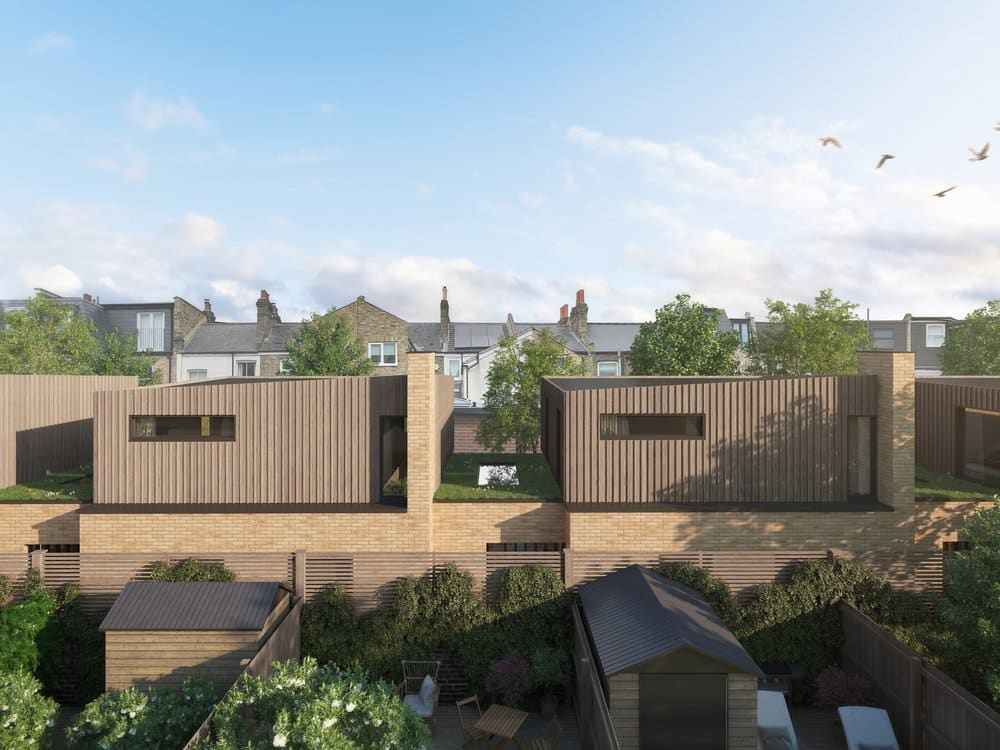
Pelham Road
Learn more about the project here. 
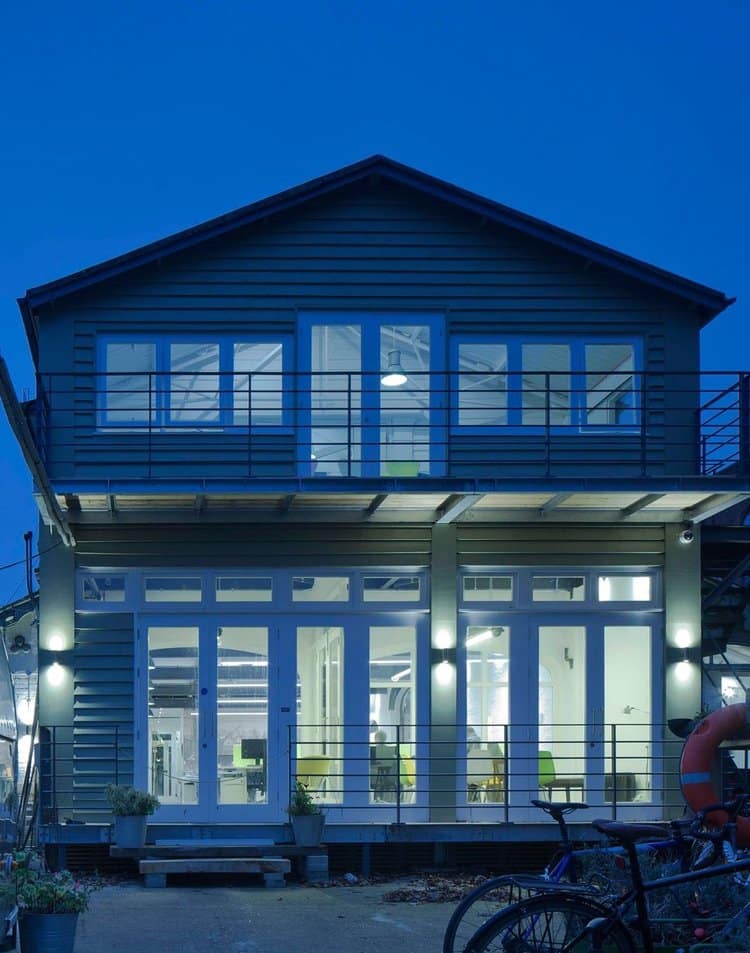
Boathouse Design Studio
Learn more about the project here.
Explore More from Leading Architecture Organisations
For further insights, resources, and industry news, check out these professional organisations:
• RIBA (Royal Institute of British Architects)
• Architecture Today
• Architecture Media
• AIA (America)
• AIA (Australia/New Zealand)
These organisations are great places to stay inspired, connect with peers, and keep up with the latest in architecture.
Built for Australian A&E practices
Based in North Sydney, Total Synergy supports architecture and engineering teams across Australia with software designed to manage projects end to end, from time and resourcing to budgets, invoicing, and performance reporting.