


Successful architecture and engineering firms are built on great design—and profitable projects.
But profitability isn’t just about the final number on an invoice—it’s about understanding the financial performance of every project, identifying inefficiencies, and making data-driven decisions that improve your bottom line.
In this article, we’ll break down how to analyse project profitability, key metrics to track, and the role of effective project management in maximising profits.
Project Profitability Analysis
Project profitability analysis is the process of assessing whether a project is financially successful. This means looking beyond revenue and factoring in direct costs, overhead, and billable versus non-billable hours.
For architecture and engineering firms, this analysis can help answer key questions:
- Are we pricing our services correctly?
- How much revenue is lost due to inefficiencies?
- Which projects deliver the highest profit margins?
By closely monitoring financial data, firms can refine pricing strategies, optimise resources, and ensure that every project contributes positively to the firm’s financial health.
Gross Profit vs. Net Profit vs. Profit Margin
To fully grasp project profitability, it’s important to understand three key financial metrics:
Gross Profit
Gross profit is the revenue from a project minus direct costs, such as labor and materials. This metric helps firms determine if a project is priced appropriately to cover basic expenses.

Net Profit
Net profit is the amount remaining after deducting all expenses, including direct costs, overhead, and indirect expenses like administrative salaries or software subscriptions. This figure provides a clear view of true project profitability.

Profit Margin
Profit margin expresses profitability as a percentage of revenue. It’s a key indicator of financial health and efficiency.

A higher profit margin indicates that a firm is operating efficiently, keeping costs in check, and maximising revenue from its projects.
Project Profitability Metrics
Beyond gross and net profit, there are some additional metrics architects and engineers should track to evaluate project financial performance.
Rate of Realisation (RR)
This metric measures the percentage of billable hours actually invoiced to clients. A low realisation rate suggests revenue is being lost due to under-billing, inefficiencies, or excessive write-offs. Note: you might also know this term as “Recovery”.

Return on Investment (ROI)
ROI evaluates whether a project generates more financial return than its initial investment. It helps firms determine if a project was worth pursuing.

Project Profitability Index (PI)
The profitability index compares the value a project generates to its cost. A PI greater than 1 means a project is profitable, while anything below 1 signals financial loss.

Utilisation Rate
Utilisation measures how effectively a firm’s team members are spending their time. It helps identify whether employees are focused on revenue-generating tasks or being bogged down by non-billable work.
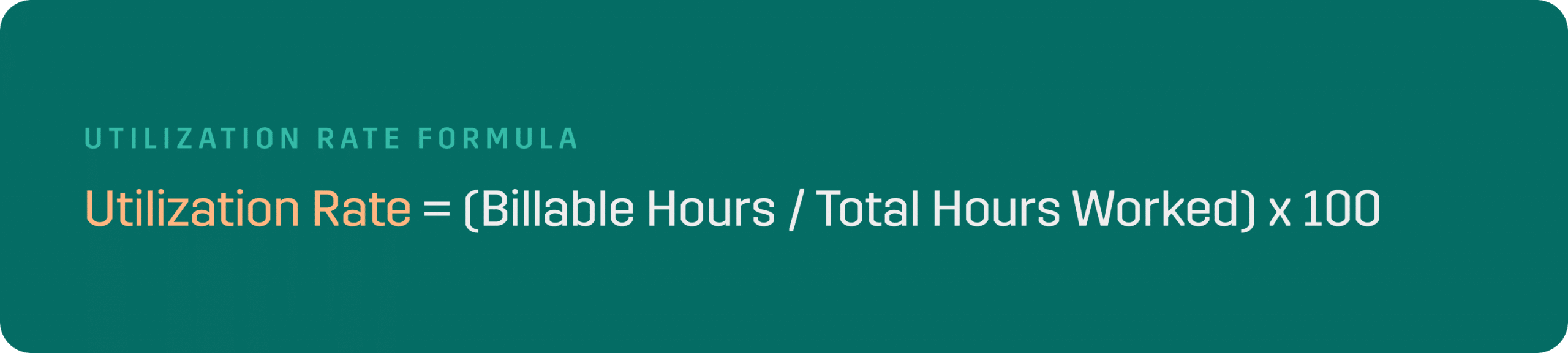
A low utilisation rate can indicate inefficiencies in resource allocation, leading to reduced profitability. Note: Some firms choose to calculate total hours worked minus leave taken. This approach helps ensure team members aren’t negatively impacted in the calculation when they’re unavailable for work.
The Importance of Effective Project Management
No matter how strong your financial tracking is, project profitability ultimately comes down to how well a project is managed. A project can be perfectly priced, but if it runs over budget, takes longer than expected, or requires rework due to miscommunication, profitability takes a major hit.
How Poor Project Management Hurts Profitability
Architecture and engineering projects are complex. They involve multiple stakeholders, evolving design requirements, and strict deadlines. Without the right project management approach, firms often face:
Scope creep: Uncontrolled project expansion that leads to extra work without additional compensation.
Inefficient resource allocation: Overworked employees, underutilised specialists, or teams spread too thin. This can also include situations where different resources are used than originally planned—like an experienced project manager taking on tasks themselves instead of delegating, which can impact both cost and capacity planning.
Budget overruns: Lack of real-time budget tracking causes unexpected costs to spiral.
Missed deadlines: Poor scheduling and bottlenecks delay projects, increasing labor costs.
Communication breakdowns: Disconnected teams, scattered documents, and unclear task ownership lead to costly mistakes.
All these challenges eat away at profit margins, making it difficult for firms to scale and sustain financial success.
How to Improve Project Management for Higher Profitability
To keep projects profitable, architecture and engineering firms need to simplify workflows, improve visibility, and stay ahead of potential issues before they impact the bottom line. Here’s how:
1. Define clear project scopes from the start.
- Set expectations with clients to avoid endless revisions and additional unpaid work.
- Use detailed contracts outlining deliverables, timelines, and costs.
2. Track time and budget in real time.
- Waiting until the end of a project to review costs is a recipe for financial surprises.
- Monitor budgets dynamically, adjusting resources and timelines proactively.
3. Optimise resource allocation.
- Ensure the right people are working on the right tasks to avoid inefficiencies.
- Balance workloads to prevent burnout and improve employee utilisation.
4. Enhance collaboration between teams.
- Keep communication seamless between project managers, architects, engineers, and finance teams.
- Use cloud-based platforms to centralise documents, discussions, and task ownership.
5. Use data to drive decisions.
- Rely on project profitability reports to analyse which projects and clients generate the best returns.
- Use performance data to refine pricing, bidding strategies, and operational processes.
6. Take advantage of project management software.
- Project management software gives you real-time visibility into every project.
- Track budgets, adjust timelines, and allocate resources efficiently—all in one place.
Boost Project Profitability with Total Synergy
Based in North Sydney, Total Synergy supports architecture and engineering teams across Australia, New Zealand, and the UK with software designed to manage projects end to end, from time and resourcing to budgets, invoicing, and performance reporting.
Scattered data and manual tracking make it hard to stay on top of budgets, timelines, and resources. Total Synergy provides architecture and engineering firms with the tools to manage projects efficiently—without spreadsheets, disconnected apps, or manual tracking.
With an all-in-one project management solution like Total Synergy, firms can:
✔ Keep projects on track: Set clear phases, allocate budgets, and track costs in real time.
✔ Maximise team efficiency: Assign the right people to the right tasks and make the most of billable hours.
✔ Cut out admin work: Automate approvals, invoicing, and workflows to keep projects moving.
✔ Streamline collaboration: Centralise project communication, documents, and tasks for a smoother workflow.
✔ Make smarter decisions: Get real-time profitability insights and spot risks before they impact your bottom line.