
When financials, resourcing, and project data sit across disconnected systems, visibility drops. Profitability becomes harder to predict, cash flow is harder to manage, and leadership starts relying on guesswork instead of accurate, real-time data.
Digital transformation solves this by connecting the systems behind delivery. Project tracking, invoicing, resourcing, and forecasting begin to work together, giving leaders the insight they need to act earlier, reduce risk, and protect profitability.
What Does Digital Transformation Mean For Architecture And Engineering Firms?
Digital transformation goes beyond buying new software or moving files to the cloud. For A&E firms, it’s a broader operational shift, encompassing how practices capture, connect, and act on operational data across the full delivery cycle: winning work, planning resources, delivering projects, billing clients, and analysing performance.
A&E firms operate differently from most industries. A single structural engineering or architecture project might span 18 months, involve multiple disciplines and external consultants, and move through distinct phases from feasibility to construction administration. Revenue recognition, resource allocation, and risk management all depend on accurate, timely project data. Generic tools often don’t match that reality.
In many industries, digital transformation is about customer experience or supply chain automation. For A&E firms, it’s more operational. It means moving from disconnected systems to one platform where project tracking, timesheets, and invoicing are all connected.
When data flows properly, teams enter information once and it updates everything, from budgets to resourcing to billing. Without that connection, firms deal with delays, budget issues, and decisions based on outdated information.
How Are A&E Leaders Modernising Operational Infrastructure?
For most firms, transformation starts by addressing the areas creating the most friction. These are typically financial management, resourcing, and project visibility. Leaders who address these systematically tend to see the fastest returns.
Financial Systems
Financial workflows are often the biggest constraint on performance and cash flow. Many firms still rely on separate accounting tools, spreadsheets, and manual invoicing processes. This fragmentation makes WIP harder to trust, delays invoicing, and forces profitability analysis to happen after the fact.
Integrated systems bring these functions together. Approved timesheets feed into invoicing. Project costs update as work progresses. Finance teams can monitor WIP, debtors, and cash flow in live dashboards. The shift is from reactive reporting to proactive control.
Clearer Resource Visibility
People are your most valuable asset, but often your largest cost. Yet many firms still manage resourcing manually, through weekly meetings and spreadsheets.
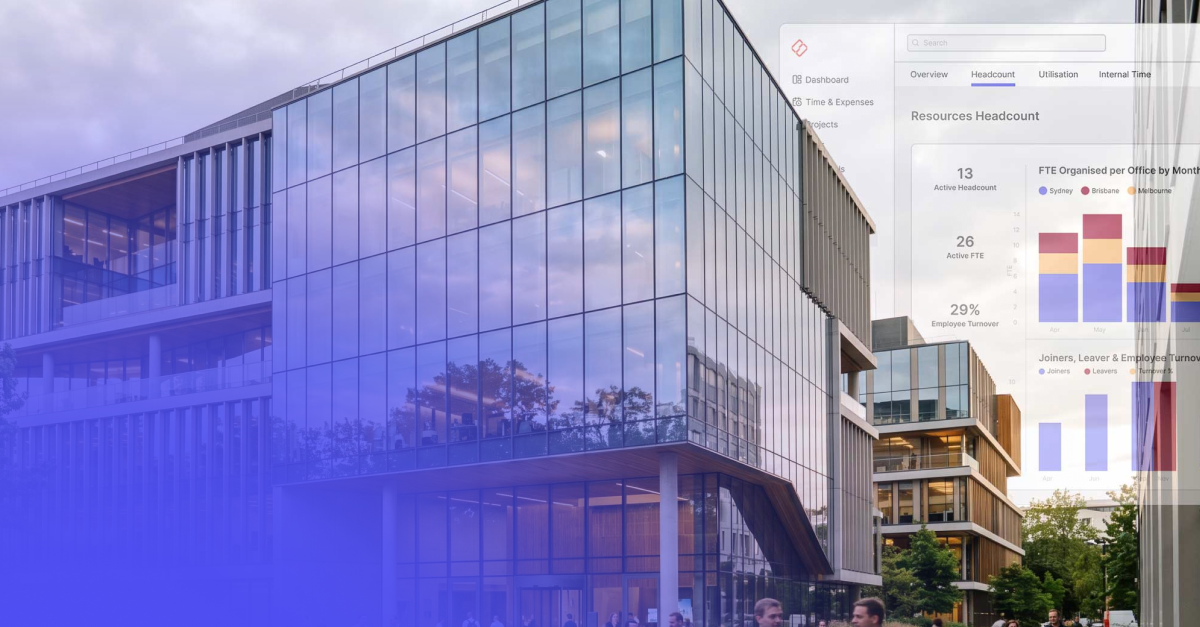
Digitally mature firms use resource planning tools that show team capacity in real time, factoring in leave, commitments, and skill sets. Leaders can see who’s available, who’s overallocated, and where conflicts are building, before they turn into a problem.
A Single Source Of Truth
Digital transformation doesn’t deliver value unless leadership actively uses the data available. Dashboards tailored to different roles make that easier: principals see portfolio performance, project managers track execution, and finance monitors cash flow.
When everyone works from the same data, decision-making becomes faster and more aligned.
What Barriers Slow Digital Adoption In Engineering Firms?
Most A&E firms understand the value of digital transformation. But change is difficult when projects are live, deadlines are fixed, and invoicing must happen every month.
- Fragmented systems: Many firms rely on multiple disconnected tools, with spreadsheets holding everything together. Over time, these workarounds become risky and hard to replace.
- Change fatigue: A&E teams are focused on project delivery. Without a clear plan and support, new systems feel like extra work and adoption drops.
- Cash flow concerns: Finance teams need stability. Even small disruptions to invoicing or WIP tracking can impact cash flow, so rollout of new digital tools needs to be careful and staged.
- Poor fit technology: Generic tools often don’t match how A&E firms operate. When systems don’t support real workflows, teams stop using them.
How Does Integrated Software Accelerate Strategic Growth?
Integrated software removes the bottlenecks that slow growth: delayed billing, reactive staffing, unclear project performance. When delivery and financial management are connected, growth also becomes more predictable.
When time, expenses, budgets, and invoicing sit in one system, firms can bill faster and with fewer errors. This improves cash flow, reduces rework, and gives leadership more confidence to plan ahead. At the same time, real-time reporting helps teams spot issues early, so projects can be corrected before they go off track.
Integrated systems also make it easier to plan resources and scale operations. Leaders can see capacity across the pipeline, avoid last-minute resourcing issues, and keep utilisation steady. As firms grow, standardised processes reduce reliance on manual workarounds and make multi-office operations far easier to manage.
What Are The Long-Term Competitive Advantages Of Digital Maturity?
Over time, digital maturity reshapes how firms compete. When leaders have clear visibility over margins, utilisation, and project performance, profitability becomes more predictable. Fewer surprises at project close, better fee setting, and more confident decision-making. Clients benefit too, with clearer communication, smoother delivery, and fewer billing disputes, which strengthens relationships and results in more repeat work.
At the same time, teams spend less time on admin and more time on meaningful work. When historical and real-time data are reliable, leadership can forecast with additional confidence. Pricing decisions, market focus, hiring plans, and service mix are all easier to get right when the numbers behind them can be trusted.
How Total Synergy Enables Digital Transformation For A&E Firms
Digital transformation should simplify how your firm operates, not add complexity. Headquartered in North Sydney, Total Synergy is purpose-built for architecture and engineering firms, bringing together project management, financials, resourcing, and reporting in one connected platform.
By linking project setup, time tracking, budgets, and invoicing, data flows seamlessly from delivery through to billing. This gives your team clearer visibility, faster invoicing, and stronger control over project performance as your firm grows. To see how we can support your firm’s next stage of growth, book a demo today.